
Gas cylinders are a common feature in many UAE homes, providing a convenient fuel source for cooking. But improper storage, unsafe handling or using unauthorised suppliers can increase the risk of gas leaks, fires and explosions . Dubai Police recently warned residents against purchasing gas cylinders from unlicensed sellers after authorities seized 300 cylinders that failed to meet safety standards during inspection campaigns since the beginning of the year.
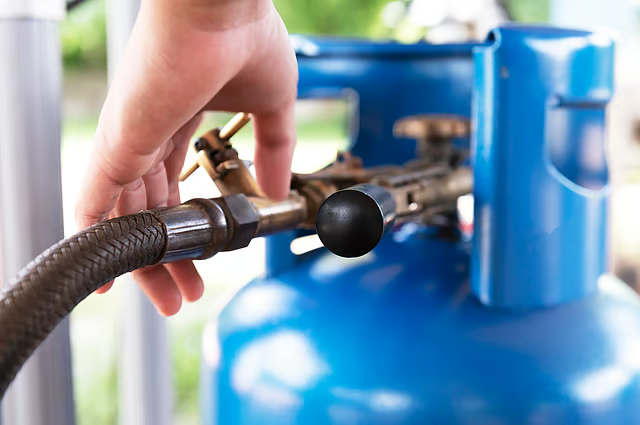
Authorities said some unauthorised sellers use unsafe methods to refill cylinders without following approved safety procedures, creating a higher risk of accidents, particularly during periods of extreme heat when cylinders may be exposed to unsafe conditions . Residents are advised to purchase LPG cylinders only from licensed companies and authorised suppliers operating in the UAE, and to follow approved safety practices when storing and using gas at home .
UAE Gas Cylinder Safety: What Residents Should Know
Before using an LPG cylinder at home, residents should follow their building's gas safety requirements. Some UAE buildings operate central gas systems, while others allow individual LPG cylinders .
Residents should:
Use only approved gas suppliers and authorised maintenance services
Follow building management rules regarding gas cylinder storage and usage
Report gas leaks immediately to building management, the gas supplier or emergency authorities
How to Store a Gas Cylinder Safely at Home
Proper storage is one of the most important ways to prevent LPG accidents .
Keep gas cylinders upright at all times on a stable, flat surface
Store cylinders in a well-ventilated area away from direct sunlight, heat sources, sparks and open flames
Avoid keeping cylinders in bedrooms, closed cupboards, basements or poorly ventilated spaces
Keep cylinders away from children and ensure the valve is not tampered with
Avoid storing additional cylinders unless they are approved and stored according to safety requirements
In summer, when temperatures soar past 51°C in some areas, gas can expand inside the cylinder, increasing pressure and the risk of leaks . Always keep cylinders in shaded, well-ventilated areas and away from direct sunlight .
LPG Cylinder Safety Tips While Cooking
When using a gas stove or LPG appliance, residents should :
Check the hose, regulator and connections regularly for cracks, damage or signs of leaks
Use only approved regulators and hoses recommended for the cylinder
Keep kitchens properly ventilated while cooking
Never leave cooking unattended while the gas stove is switched on
Turn off the stove knobs and cylinder valve when not in use, especially before leaving home or going to sleep
What to Do If You Smell Gas at Home
A gas smell can indicate a leak and requires immediate action .
If you smell gas:
Do not switch electrical appliances, lights or fans on or off, as sparks can ignite leaked gas
Turn off the cylinder valve if it is safe to do so
Open doors and windows to allow ventilation
Leave the property immediately
Contact your gas supplier's emergency helpline or call UAE Civil Defence on 997
Residents should never use a match, lighter or flame to check for a gas leak .
How to Maintain LPG Cylinders and Appliances
Regular maintenance can help prevent accidents .
Replace old, damaged or expired hoses and regulators
Arrange inspections if gas appliances produce unusual flames, smells or poor performance
Keep a suitable fire extinguisher nearby where possible
Ensure all household members know how to shut off the gas supply during an emergency
Warning Signs You Should Never Ignore
Safety experts say there are clear red flags people must act on immediately :
The smell of gas
A hissing sound near gas pipes or appliances
Dead plants near the gas source
Feeling dizzy, nauseous, or having difficulty breathing
Weak or flickering flames and unusual burner noises
If you notice any of these, leave the area and call emergency services right away .
Why LPG Safety Is Especially Important in UAE Summers
High temperatures can increase risks if gas cylinders are stored incorrectly or exposed to heat . Heat causes gas to expand, putting stress on cylinder walls, valves and joints — especially if they are old or not maintained properly .
Residents should ensure cylinders are kept in suitable locations away from direct sunlight and heat sources, and install gas leak detectors as an extra layer of protection .
 Watch AD


